Skip to content

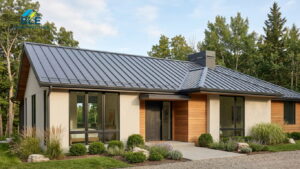
Metal roofing provides a long-lasting and durable solution for residential and commercial buildings, often lasting between 40 to 70 years depending on the material. While the initial investment is significantly higher than traditional asphalt shingles, the extended lifespan, fire resistance, and energy savings frequently justify the cost for long-term property owners. BLE Construction understands that selecting a roof involves weighing these high-performance benefits against immediate budget constraints and specific architectural ge.
This guide explores the practical advantages and disadvantages of metal systems to help property owners make an informed choice. Beyond simple durability, metal options offer varied aesthetic choices, from standing seam panels to products that mimic the look of wood shakes or clay tiles. Knowing how these materials perform in different climates is the first step toward a successful installation.
Long-Term Benefits of Metal Systems
The most significant advantage of metal is its remarkable lifespan. Traditional asphalt roofs usually require replacement every 15 to 20 years. In contrast, data from State Farm indicates that metal roofs can last two to three times longer than conventional roofing materials. This longevity means a homeowner might only install one roof in their lifetime, reducing the long-term cost per year of service.
Superior Durability and Safety
Metal is a non-combustible material, typically earning a Class A fire rating. This resistance is particularly valuable in areas prone to wildfires. Additionally, metal panels handle extreme weather conditions better than many alternatives. They shed snow and rain efficiently, which prevents ice damming in cold climates. High-quality metal systems are also rated to withstand wind gusts of up to 140 miles per hour, making them a reliable choice for storm-prone regions.
Energy Efficiency and Environmental Impact
Metal reflects solar radiant heat rather than absorbing it. According to the Metal Roofing Alliance, reflective metal surfaces can reduce cooling costs by 10% to 25%. During the summer, this keeps the attic and the rest of the home cooler without overworking the air conditioning system. Furthermore, metal is a sustainable choice. Most metal roofs contain 25% to 95% recycled content and are 100% recyclable at the end of their life. This prevents thousands of pounds of shingle waste from entering landfills.
Bonus Tip: To maximize energy savings, choose a “cool metal roof” with specialized pigments that reflect even more solar energy. These coatings are effective even in darker colors.
Potential Drawbacks to Evaluate
The primary barrier for many people is the upfront price. A metal roof can cost two to three times more than an asphalt shingle roof. While the investment pays off over decades, the initial cash outlay is a major factor for those on a tight budget.
Cost and Installation Demands
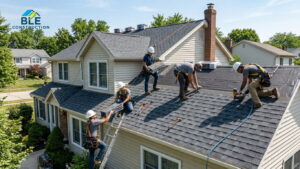
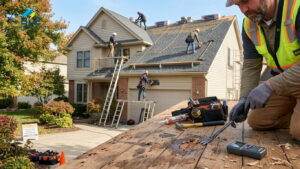
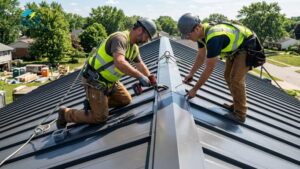
Materials like steel and aluminum are more expensive than petroleum-based shingles. Specialized labor also adds to the cost. Installing metal requires specific tools and a high level of expertise to ensure the panels are correctly aligned and sealed. If the panels are not installed by experienced professionals, the risk of leaks increases at the seams and fastener points.
Sound and Expansion Issues
Beyond the structural aspects of installation, the day-to-day sensory experience is a factor for some homeowners. Some owners worry about noise during heavy rain or hail. While using solid sheathing and high-quality insulation can dampen this sound, it remains a consideration for some. Metal also expands and contracts as it heats and cools. If the fastening system does not allow for this movement, the panels may eventually loosen their fasteners or develop a wavy appearance known as oil canning.
Material Performance Comparisons
The following table compares standard metal roofing to asphalt shingles across several categories.
| Feature | Metal Roofing | Asphalt Shingles |
|---|---|---|
| Expected Lifespan | 40 to 70 Years | 12 to 20 Years |
| Material Cost (Per Square) | $150 to $1,000+ | $100 to $200 |
| Weight | Lightweight (50-150 lbs) | Heavy (230-430 lbs) |
| Fire Resistance | Class A (High) | Class A (High) |
| Recyclability | 100% | Very Low |
| Installation Complexity | High | Moderate |
Things to Consider Before Making a Decision
Before choosing metal, evaluate the pitch of the roof and the local climate, as the angle affects how efficiently the system sheds water and debris. Not all metal types work on flat or very low-slope roofs. Aluminum is excellent for coastal areas because it resists salt spray corrosion, whereas steel might rust if the coating is damaged.
Property owners should also check local building codes and Homeowners Association (HOA) rules. Some neighborhoods restrict the use of certain metal styles or colors. It is also helpful to consider how long the owner intends to stay in the home. If a move is planned within five years, the high cost of metal may not be recovered through energy savings or resale value. However, a report from Grand View Research shows that the demand for these materials is rising because buyers increasingly value sustainable and low-maintenance housing.
Bonus Tip: If noise is a primary concern, ask about installing a thick underlayment or “batten” system. This creates an air gap that significantly reduces the sound of rain hitting the metal.
Common Questions Regarding Metal Materials
Many people ask if a metal roof increases the likelihood of a lightning strike. Research shows that metal does not attract lightning any more than other materials do. Since metal is non-combustible, it is actually safer if a strike occurs.
Another common question involves the risk of denting. While heavy hail can dent some metal roofs, many products are rated for high impact. Textured patterns or ribbed panels are better at hiding small cosmetic imperfections than flat, smooth panels. Choosing the right contractor like BLE Construction ensures that the specific gauge of metal matches the local weather risks.
Frequently Asked Questions
Does a metal roof make a house hotter in the summer?
No, it usually makes the house cooler. Metal reflects solar heat away from the building. With proper attic ventilation, a metal roof can lower the temperature of the structure compared to dark asphalt shingles that soak up heat.
Can you walk on a metal roof without damaging it?
Yes, but you must follow the manufacturer guidelines. Most metal roofs are strong enough to support the weight of a person. However, walking on certain areas like the ribs or using the wrong shoes can cause scratches or dents.
Will a metal roof rust over time?
Most modern metal roofs are treated with protective coatings. Steel roofs are galvanized with zinc or a mix of aluminum and zinc to prevent oxidation. Aluminum roofs are naturally resistant to rust. Only if the protective layer is deeply scratched and left untreated will the underlying metal be at risk.
Is it possible to install metal over existing shingles?
In many cases, yes. This can save money on labor and disposal fees. However, building codes often limit the number of roof layers allowed. A professional inspection is required to ensure the existing structure can support the new material and that there is no hidden rot.
Making an Informed Choice
A metal roof represents a shift toward permanent housing solutions. The benefits of durability, energy efficiency, and fire safety are clear, yet they must be balanced against the high initial cost. For those looking for a long-term investment that reduces maintenance and environmental impact, metal is an excellent option. Owners should evaluate their specific budget, the local climate, and the architectural style of their property before moving forward.
Contact BLE Construction
BLE Construction provides expert guidance for property owners looking to upgrade their roofing systems. Professional installation is the most important factor in ensuring a metal roof lasts for its full expected lifespan. For a detailed assessment of your property and to discuss material options that fit your specific goals, contact the team directly. You can reach BLE Construction by calling (314) 486-1786 or by sending an email to bevans0927@gmail.com to start your project.
Sources
- State Farm – This source provides a professional overview of the lifespan and safety benefits of metal roofing for homeowners.
- Metal Roofing Alliance – An industry organization that offers data on energy efficiency, environmental benefits, and technical specifications for various metal materials.
- Grand View Research – A market research firm that tracks the growth and consumer demand for metal roofing materials in the construction industry.