Skip to content
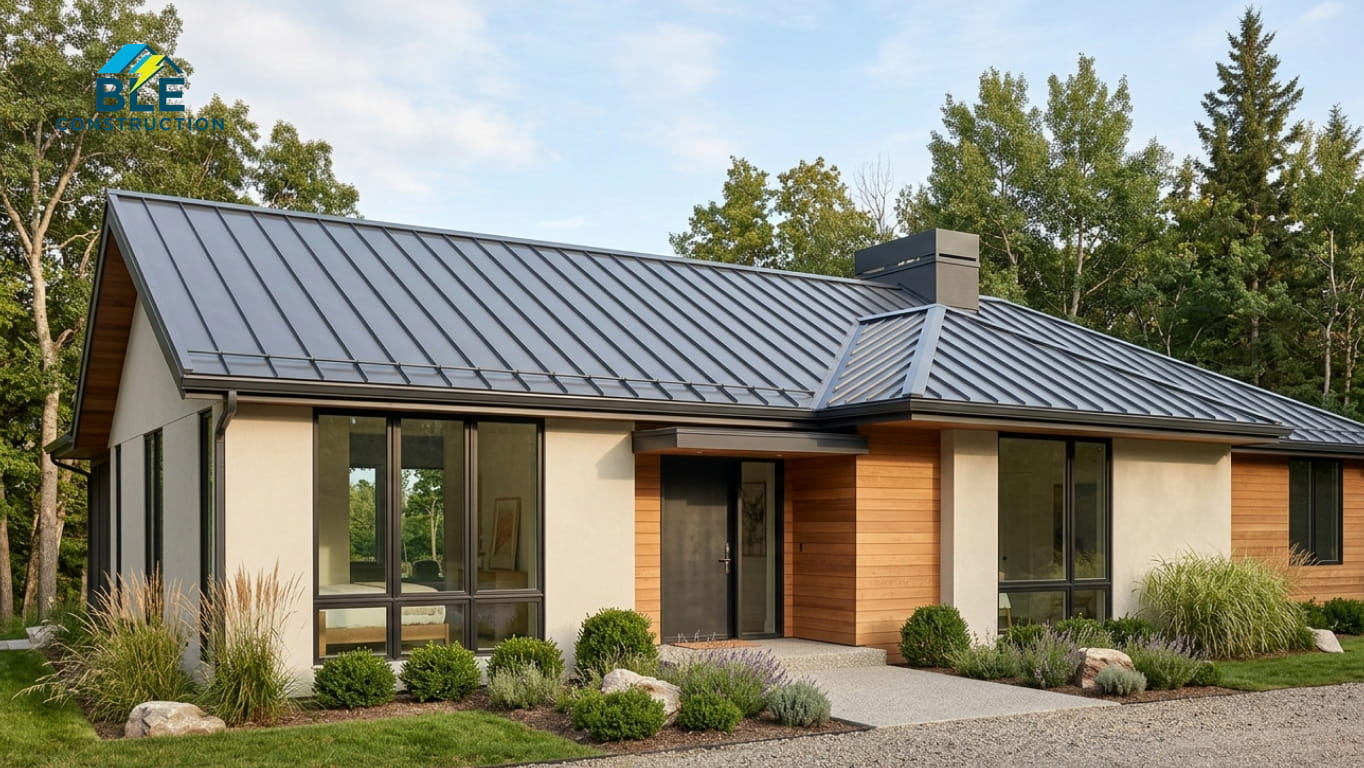
The average cost of a metal roof typically ranges from $5,500 to $16,500 for a standard-sized home. Most homeowners spend approximately $11,000 for a complete installation using mid-range materials like steel. On a price per square foot basis, homeowners can expect to pay between $5 and $16 for materials and professional labor combined. High-end options such as copper or zinc can significantly increase these figures, sometimes exceeding $40,000 for large or complex properties.
This guide provides a detailed breakdown of the expenses involved in metal roofing projects. By understanding the variables that influence a metal roof price estimate, property owners can make informed financial decisions. BLE Construction provides this data to help clarify the pricing structures seen in the current home improvement market.
Factors That Determine Metal Roof Cost
Several variables influence the final price of a new roof. The most significant factors include the choice of metal, the thickness of the panels, and the specific installation method required for the structure.
Material Choice and Quality
The type of metal selected serves as the primary driver of the total investment. According to data from Forbes Home, steel and aluminum are the most common choices for residential projects due to their balance of durability and price. Steel typically costs between $3.50 and $11 per square foot, while aluminum ranges from $7 to $15 per square foot. Rare materials like copper are considerably more expensive, often priced between $18 and $40 per square foot.
Roof Size and Pitch
Roofing professionals measure projects in squares, where one square equals 100 square feet. A larger roof requires more materials and more hours of labor. Additionally, the pitch or slope of the roof affects the metal roof installation cost. Steep roofs require specialized safety equipment and slower movement for workers, which increases the labor rate compared to a flat or low-slope surface.
Panel Style and Fasteners
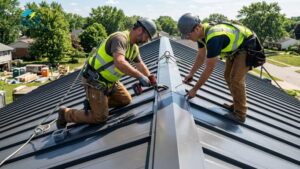
Homeowners generally choose between exposed fastener systems and standing seam systems. Exposed fastener panels are usually less expensive because they are thinner and easier to install. Standing seam systems, which hide the screws under a locking fold, offer better weather resistance but come with a higher metal roofing cost per square foot.
Bonus Tip: When choosing steel panels, check the gauge number. A lower gauge number indicates a thicker, stronger panel. For example, 24-gauge steel is thicker and more expensive than 29-gauge steel but offers superior wind resistance.
Average Expenses by Metal Type
Different metals offer various lifespans and aesthetic finishes. The following table outlines the expected costs and longevity for the most popular residential metal roofing materials.
| Metal Type | Cost per Square Foot (Installed) | Expected Lifespan |
|---|---|---|
| Corrugated Steel | $5.00 – $8.00 | 30 – 50 Years |
| Aluminum | $7.00 – $15.00 | 50+ Years |
| Standing Seam Steel | $10.00 – $16.00 | 50+ Years |
| Stainless Steel | $14.00 – $20.00 | 60+ Years |
| Copper | $18.00 – $40.00 | 75+ Years |
These figures represent national averages. Local market conditions and regional labor rates may cause variations in these estimates.
Labor and Professional Installation Fees
The cost to install a metal roof involves more than just purchasing the panels. Professional labor typically accounts for 60 percent to 70 percent of the total project price. Metal roofing requires more specialized skills than traditional asphalt shingles. Installers must possess knowledge of thermal expansion, proper flashing techniques, and specialized cutting tools.
Market analysis provided by Angi indicates that labor rates for metal roofing usually fall between $2 and $6 per square foot. This price includes the removal of the old roofing material, the installation of a high-quality underlayment, and the fitting of the metal panels and trim.
Regional Price Variations
Geography plays a role in how much a metal roof costs. In areas with a high cost of living or regions where metal roofing contractors are in high demand, labor prices may sit at the higher end of the spectrum. Conversely, in regions where metal roofing is a standard practice, competitive pricing may be more accessible.
Market Trends in Metal Roofing
The popularity of metal as a roofing material has grown steadily. Research from the Metal Roofing Alliance suggests that homeowners are increasingly choosing metal for its energy efficiency and environmental benefits. Metal roofs can reflect solar radiant heat, which may reduce cooling costs by up to 25 percent during summer months.
Furthermore, metal is a sustainable choice because it often contains high levels of recycled content and is 100 percent recyclable at the end of its life. This long-term value often offsets the higher initial investment compared to asphalt shingles.
Bonus Tip: Invest in a high-quality PVDF (Kynar 500) paint finish. While it adds to the initial price, this coating resists fading and chalking much better than cheaper polyester finishes, maintaining the home’s curb appeal for decades.
Things to Consider Before Making a Decision
Before signing a contract, homeowners should evaluate several practical aspects of the project.
- Existing Roof Condition: In some cases, metal panels can be installed over existing asphalt shingles. This avoids the cost of a tear-off and disposal, which usually saves between $1,000 and $3,000. However, local building codes must be checked to ensure this is allowed.
- HOA Restrictions: Some Homeowners Associations have strict rules regarding roofing materials and colors. Confirm that a metal roof is permitted in the neighborhood before requesting a metal roof price estimate.
- Insulation and Noise: While a properly installed metal roof is not significantly louder than other types during rain, ensuring the attic has adequate insulation will minimize sound and maximize thermal performance.
- Underlayment Quality: The underlayment is the secondary water barrier. For metal roofs, a high-temperature synthetic underlayment is recommended because metal panels can become extremely hot, which might damage standard felt paper.
Common Questions About Metal Roofing
Many property owners have specific concerns regarding the transition to metal. One frequent question involves the weight of the material. Surprisingly, metal is often lighter than asphalt shingles, meaning most homes do not require additional structural support.
Another common inquiry focuses on lightning. Metal conducts electricity, but it does not attract lightning any more than other materials. Because metal is non-combustible, it actually provides a safer environment in the event of a strike or nearby wildfire.
Detailed FAQ
How does the cost of metal compare to that of asphalt shingles?
A metal roof generally costs two to three times more than a standard asphalt shingle roof. While shingles may cost $3 to $6 per square foot installed, metal starts at $5 and goes up. However, metal lasts two to three times longer, often making it more cost-effective over forty or fifty years.
Will a metal roof increase the value of my home?
Data suggests that homeowners can recoup a significant portion of the installation cost through increased property value. A metal roof is a premium feature that appeals to buyers looking for low maintenance and longevity.
Does the color of the metal affect the price?
Standard colors are usually included in the base price. However, custom colors or metallic finishes may carry a premium. Lighter colors are often preferred for their “cool roof” properties, which help keep the home cooler.
How long does the installation process take?
For an average residential home, a professional crew can complete the installation in three to five days. Factors like inclement weather or complex roof geometries can extend this timeline.
Summary of Costs and Value
Determining the average cost of a metal roof requires looking at both the immediate price and the long-term benefits. While an initial investment of $11,000 or more is significant, the lifespan of fifty years or more provides substantial value. Homeowners should prioritize high-quality materials and experienced labor to ensure the roof performs as expected. Every project is unique, so obtaining multiple detailed estimates is the best way to plan a budget. Evaluate the specific needs of the structure, local weather patterns, and personal aesthetic preferences before moving forward with a final choice.
Work with Professionals
Deciding on a new roof is a major step in maintaining a property. BLE Construction offers expertise in residential projects and can help clarify the details of various roofing systems. To discuss specific project requirements or to request more information, contact the team at (314) 486-1786 or via email at bevans0927@gmail.com. Obtaining professional guidance ensures that the selected materials and installation methods align with the goals for the home.
Sources
- Forbes Home – Comprehensive guide on national average costs for various metal roofing materials.
- Angi – Detailed breakdown of labor rates and installation variables for residential roofing.
- Metal Roofing Alliance – Industry association providing data on the benefits, sustainability, and market trends of metal roofing.