Skip to content

A typical roof replacement for a standard single-family home generally ranges between $8,500 and $22,000. Most homeowners find that the national average sits near $11,500 for a complete installation using asphalt shingles. For these common materials, the cost translates to approximately $4.50 to $11.00 per square foot, though premium materials like slate can significantly increase this estimate.
These figures represent a broad baseline for a new roof cost in 2026, as prices fluctuate based on regional labor rates and material availability. This guide provides a detailed breakdown of expenses, from raw material prices to labor variables, to help property owners plan their investments with accuracy. BLE Construction utilizes field experience to clarify these figures, ensuring the information remains practical for current market conditions.
Expense Breakdown by Material Type
The choice of material serves as the largest variable in any roofing cost estimate. While asphalt remains the most common choice due to its balance of price and performance, other options offer greater longevity at a higher initial price point.
Asphalt shingles
Asphalt is the standard for residential properties. Three-tab shingles are the most budget-friendly, while architectural or laminate shingles provide a thicker profile and better wind resistance. Property owners can expect to pay between $400 and $700 per square (a 100-square-foot area) for professional installation.
Metal roofing
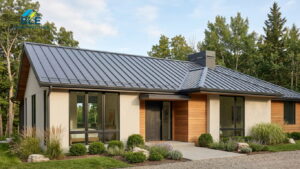
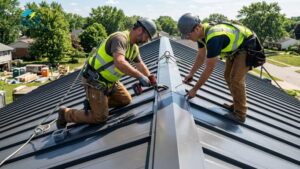
Metal has gained popularity for its durability and energy efficiency. Standing seam metal roofs are more expensive than corrugated panels but offer superior leak protection. Estimates for metal installations usually range from $900 to $1,600 per square.
Luxury materials
Materials like slate, clay tile, or high-end wood shakes require specialized labor and structural reinforcements. These materials often exceed $2,000 per square. Because slate is heavy, a structural engineer may need to verify that the home can support the weight, adding to the total project price.
| Material Type | Cost per Square Foot | Expected Lifespan |
| Asphalt Shingles | $4.50 – $9.00 | 15 – 30 Years |
| Metal Panels | $10.00 – $18.00 | 40 – 70 Years |
| Cedar Shakes | $14.00 – $22.00 | 25 – 40 Years |
| Clay or Concrete Tile | $15.00 – $25.00 | 50 – 100 Years |
| Natural Slate | $25.00 – $50.00 | 75 – 150 Years |
Bonus Tip: When comparing quotes, always check the “shingle warranty” versus the “workmanship warranty.” A high-quality material only performs well if the installation follows manufacturer’s specifications.
Factors Influencing Roof Replacement Cost
Beyond the materials, several physical characteristics of the building dictate the final price. Labor usually accounts for 40% to 60% of the total bill, and specific challenges on the job site can increase these hours.
Roof size and pitch
Roofers measure projects in squares. A 2,000-square-foot home might have a 3,000-square-foot roof once the pitch and overhangs are calculated. A steep pitch increases the new roof cost because installers must use additional safety equipment and move more slowly. Flat or low-slope roofs require different materials, such as TPO or EPDM, which have their own pricing structures.
Number of layers
Removing an existing roof adds labor and disposal fees. If a home has two layers of shingles already installed, the cost of a new roof per square foot will rise because of the extra weight and time required for tear-off. Some local building codes prohibit adding a third layer, making a full tear-off mandatory.
Components and penetrations
Every chimney, skylight, and vent pipe requires custom flashing to prevent leaks. A roof with multiple dormers and complex valleys takes significantly longer to finish than a simple “up and over” gable roof. According to a report from Angi, complex roof designs can increase labor costs by 20% or more compared to simple designs.
Market Trends and Economic Impacts in 2026
The new roof cost in 2026 reflects ongoing changes in the global supply chain and domestic labor markets. While construction inflation has historically averaged between 3% and 5% annually, specific events can cause spikes in petroleum-based products like asphalt.
Data provided by the U.S. Bureau of Labor Statistics indicates that the cost of construction materials often fluctuates based on energy prices. Since asphalt shingles rely on oil, a rise in fuel prices directly affects the roofing cost estimate provided to homeowners. Additionally, increased demand for sustainable materials has led to more competitive pricing for “cool roofs” that reflect sunlight and reduce cooling bills.
Bonus Tip: Investing in high-efficiency venting during a replacement can lower attic temperatures. This small addition often pays for itself through reduced air conditioning costs over several summers.
Things to Consider Before Making a Decision
Before signing a contract, homeowners should evaluate several factors that impact long-term value.
- Local Climate: Homes in areas prone to hail or high winds may benefit from Class 4 impact-resistant shingles. These can sometimes lead to lower homeowners’ insurance premiums.
- HOA Requirements: Many neighborhood associations dictate the color and type of material allowed. Confirming these rules early prevents expensive mistakes.
- Decking Condition: The wooden boards under the shingles (decking) might be rotted. A standard estimate assumes the wood is good, but if it needs replacement, expect to pay $75 to $120 per sheet of plywood.
- Gutter Systems: Replacing the roof is the best time to update gutters. If the old gutters are damaged during the tear-off or simply do not match the new aesthetic, including them in the project is more efficient.
Common Questions About Roofing Expenses
Does a new roof increase home value?
Most real estate data suggests that a new roof provides a high return on investment. According to the National Association of REALTORS, homeowners often recover a significant portion of the cost during a home sale because buyers value the security of a leak-free structure.
How long does a typical installation take?
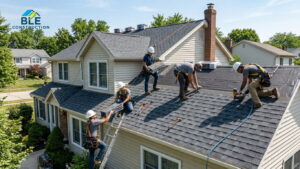
For a standard home, a professional crew can usually complete the job in one to three days. Large or complex projects might take a week. Weather delays are the most frequent cause of extended timelines.
Can a roof be repaired instead of replaced?
If the damage is localized to one area and the shingles are less than 15 years old, a repair may be feasible. However, if the shingles are brittle or are losing granules across the entire surface, repairs are often a temporary fix that costs more in the long run.
Questions People Often Ask
Is it cheaper to install a metal roof over shingles?
While some jurisdictions allow installing metal panels over a single layer of asphalt, it is rarely recommended. Trapping old shingles can lead to moisture buildup and make it impossible to inspect the decking for rot. Doing the job correctly usually involves a full tear-off.
What is the most expensive part of a roof?
Labor and insurance are often the highest expenses for a contractor. Roofing is high-risk work, and reputable companies pay significant premiums for workers’ compensation and liability insurance to protect the homeowner.
Are there hidden fees in a roofing quote?
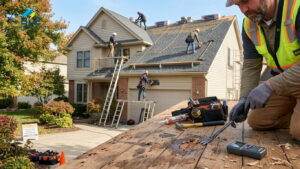
The most frequent “hidden” cost is the discovery of rotten wood after the old shingles are removed. Since this cannot be seen beforehand, most contracts include a price-per-sheet for decking replacement.
How does ventilation affect the price?
Proper ventilation requires installing intake vents at the eaves and exhaust vents at the ridge. While this adds a few hundred dollars to the initial bill, it prevents the shingles from “cooking” from the inside out, which preserves the warranty.
Summary of Key Findings
Calculating a roof replacement cost involves balancing material quality with the physical needs of the structure. While the national average remains around $11,500, individual factors like pitch, layers, and structural integrity create a wide range of pricing. Homeowners should prioritize a complete system, including underlayment and ventilation, rather than focusing solely on the shingle price. BLE Construction suggests obtaining at least three detailed estimates to compare how different contractors handle waste disposal, permits, and protective measures for the property. Evaluating the long-term benefits of durable materials against the initial cost will ensure the best protection for the home.
Contact BLE Construction for Assistance
Planning a major home improvement requires clear information and professional guidance. BLE Construction provides detailed assessments to help property owners understand their specific needs without any pressure. For questions regarding materials or installation timelines, contact the team at (314) 486-1786 or send an email to bevans0927@gmail.com to discuss the details of your project.
Sources
- Forbes Home – A detailed guide on the average costs of various roofing materials and labor factors for 2024 and 2025.
- Angi – Comprehensive breakdown of national averages and regional cost variations for residential roofing projects.
- U.S. Bureau of Labor Statistics – Official government data regarding the Producer Price Index for construction materials and labor trends.
- National Association of REALTORS – Research and reports on the remodeling impact and return on investment for exterior home improvements.